

Australia’s Housing Goal Falls Short
After an early announcement of a bold plan to build 1.2 million well-located homes by June 2029, hopes that this target would meaningfully improve housing affordability are now fading fast. Recent assessments signal a growing shortfall in delivery. Reports suggest the nation will fall more than 260,000 homes short of its goal, with Treasury analysis…
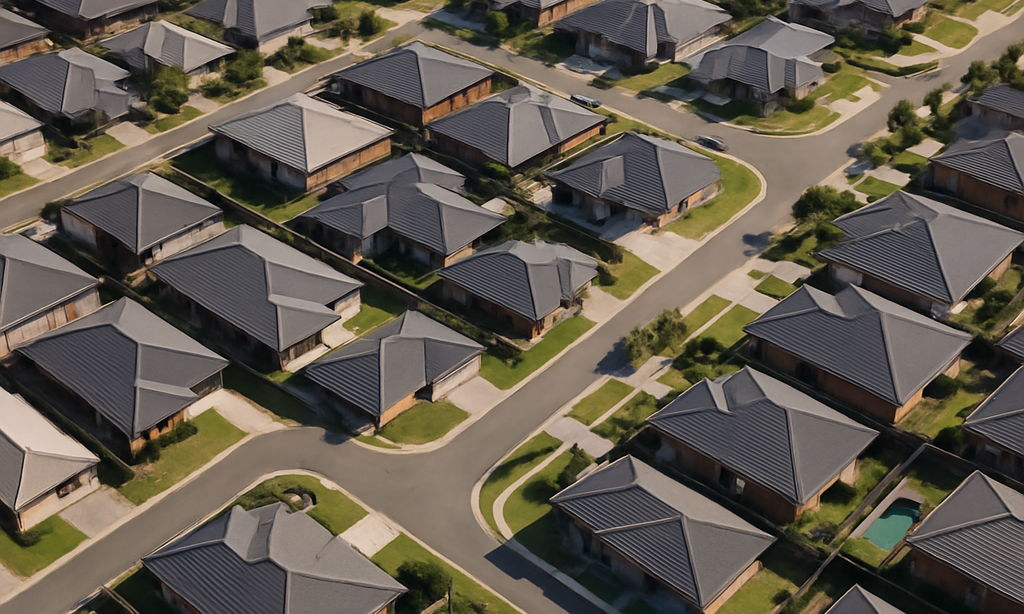
After an early announcement of a bold plan to build 1.2 million well-located homes by June 2029, hopes that this target would meaningfully improve housing affordability are now fading fast.
Recent assessments signal a growing shortfall in delivery. Reports suggest the nation will fall more than 260,000 homes short of its goal, with Treasury analysis indicating the shortfall could be closer to 300,000. Some estimates warn the gap could reach 462,000 homes by 2029, particularly in New South Wales, Queensland, and Victoria.
These figures arrive amid a broader affordability crisis. Median-income households now need more than 10 years to save for a deposit, with mortgage repayments consuming half of a typical income and rent taking around a third. Only a small fraction of newly sold homes are considered affordable for average earners—the lowest share on record.
Why the crisis is deepening:
-
Chronic supply constraints: Ongoing labour shortages, high materials costs, low construction productivity, red tape, and limited land availability continue to hold back housing supply.
-
Construction bottlenecks: Planning delays, workforce shortages, and high financing costs are further slowing progress.
-
Affordability worsening: With supply at decade-low levels and affordability deteriorating, many Australians—both buyers and renters—are increasingly priced out.
Despite the mounting shortfall, Treasurer Jim Chalmers has reaffirmed the 1.2 million homes target. However, internal figures show Australia is already behind by more than 55,000 homes in the first year. The government has pledged to streamline planning, expand the construction workforce, and drive innovation to help close the gap.
With affordability worsening and supply lagging, the pressure is growing for urgent reforms if the housing target is to be met.
Published:
Share

Resources
A wealth of knowledge
Latest News
-
New Year, New Money Habits: What to Stop Doing in 2026
 January 27, 2026
-
What a Financial Plan Actually Looks Like
January 20, 2026
-
Realistic Budgeting Tips for Australians in 2026
January 20, 2026
-
Economic Snapshot – December 2025 Update
January 20, 2026
-
Why a Financial Health Check in January Matters
January 13, 2026
-
The Cost of Living Isn’t Going Down – Here’s How to Stay Ahead
January 13, 2026

Tools & Guides
Useful tools & guides to get you started
 Find out more

Video Guides
Useful videos to get you started
Find out more

Financial Calculators
See what impact little changes can have
Find out more