

How to stay active in isolation
Staying home has been a major lifestyle change for most of us, and keeping active can be a challenge. Although it may be hard to stay motivated it’s more important to stay healthy now more than ever. We spoke to Danielle Frasca, a personal trainer from Sydney, to get her advice on how to stay…
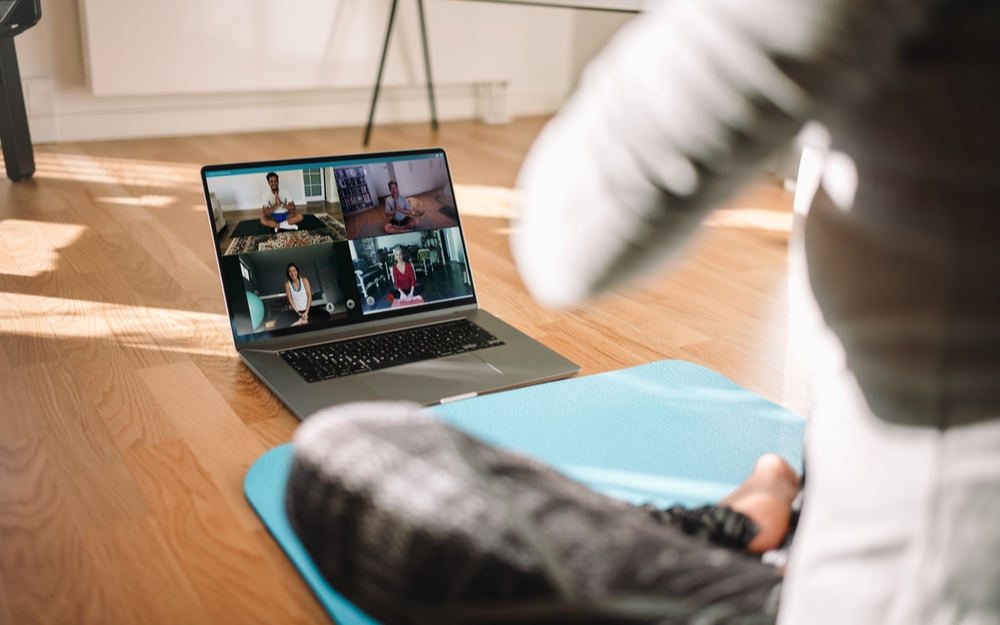
Staying home has been a major lifestyle change for most of us, and keeping active can be a challenge. Although it may be hard to stay motivated it’s more important to stay healthy now more than ever. We spoke to Danielle Frasca, a personal trainer from Sydney, to get her advice on how to stay active in isolation.
Why is it important to stay active through isolation?
“As well as the many health benefits of exercising and staying active (for instance helping to strengthen your immune
system), exercising daily can be a great stress reliever for anyone experiencing stress and anxiety at this difficult time.”
How can you make the most of the time you’re allowed to exercise outside?
“While gym equipment in public parks has been shut off for public safety, you can still get outside for a run, walk or
cycle. I’d suggest doing your cardio work outside, for 20 minutes to an hour, and then you can do your resistance work at home.”
What kind of exercise can you do at home?
“The main difference when exercising at home is the amount of resistance available. Resistance is important for
progressive overland – to make your body work harder – and without gym equipment we don’t necessarily have that.”
“But there are other ways to introduce overload. Bodyweight exercises like squats, lunges, push ups, chin ups etc. are great, and they can be regressed or progressed. For example, use a bench to try incline and decline push ups. I’ve been posting home exercise techniques on my Instagram, if you need some ideas.”
“It’s also a good time to work on eccentric and isometric training. Eccentric training focuses on slowing down the movement, for example, taking 10 seconds to get down to a squat before standing up. Isometric training focuses on holding movements for longer, for example, holding a lunge position for 30 seconds. These techniques are hard – and can be done without resistance.”
How can you stay motivated to exercise at home?
“My tips would be:
1. Set yourself isolation goals. You might have a rep goal for push ups or chin ups, and if you’re doing them every day, you should see improvement quite quickly.
2. Bring in digital elements. You can try online personal training, or online group classes, or you could FaceTime your regular training partner.
3. Make it a priority. A lot of people used to make the excuse, ‘if I had more time I’d train’… well, now you have,so make the most of it!
Published:
Share


Resources
A wealth of knowledge
Latest News
-
New Year, New Money Habits: What to Stop Doing in 2026
 January 27, 2026
-
What a Financial Plan Actually Looks Like
January 20, 2026
-
Realistic Budgeting Tips for Australians in 2026
January 20, 2026
-
Economic Snapshot – December 2025 Update
January 20, 2026
-
Why a Financial Health Check in January Matters
January 13, 2026
-
The Cost of Living Isn’t Going Down – Here’s How to Stay Ahead
January 13, 2026

Tools & Guides
Useful tools & guides to get you started
 Find out more

Video Guides
Useful videos to get you started
Find out more

Financial Calculators
See what impact little changes can have
Find out more